
What does “clean air” truly mean – and why do we often lack it at home even when we open the windows?
In this article, we explain what clean air truly is, why ventilation isn't always enough, and how to improve the air quality in your home.
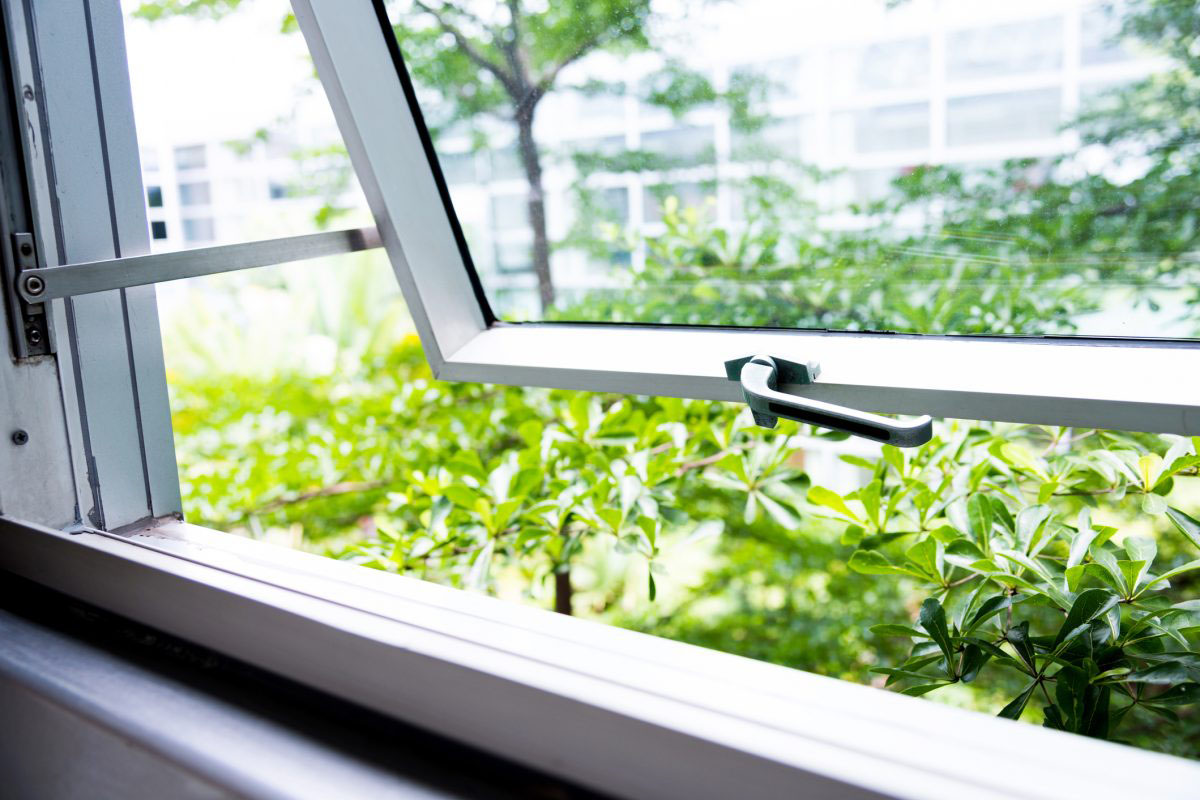
Many of us think that keeping the air fresh at home is as simple as opening a window.
But the truth is that, even with the windows open, the air we breathe indoors can be polluted. Dust, CO₂, and invisible chemical compounds build up without us realizing it and affect our health and concentration.
In this article, we explain in simple terms what clean air really is and why ventilation alone isn't enough.
What is clean air?
Clean air is air that contains a balanced proportion of gases—oxygen, nitrogen, and carbon dioxide— without excessive pollutants.
The most common indoor pollutants are:
- Fine particles (PM2.5) → come from dust, smoke, or cooking.
- CO₂ → builds up when there is poor ventilation.
- Volatile organic compounds (VOCs) → released by paints, furniture, or cleaning products.
Even though we can't see them, all of these factors have a direct impact on how we feel.
Why isn't opening the windows always enough?
Opening the windows helps, but it doesn't guarantee truly clean air.
There are several reasons:
- Outdoor air can also be polluted, especially in urban areas or areas with heavy traffic.
- A brief ventilation session does not actually reduce accumulated pollutants.
- In many homes, there isn't good air circulation, which creates dead zones where the air is rarely refreshed.
- What’s more, VOCs and other indoor pollutants continue to be released constantly, even with the window open.
How does breathing polluted air affect us?
We spend about 90% of our time indoors, so the air quality at home directly affects our well-being.
When the air is stuffy or dirty, we may notice:
- Fatigue or lack of concentration
- Eye and throat irritation
- Headaches
- Increased risk of allergies or respiratory diseases
In the long term, it can even affect sleep and mood.
How to Improve Air Quality
- Ventilate the room thoroughly: open windows on opposite sides to create cross-ventilation for 5–10 minutes.
- Reduce sources of pollution: use eco-friendly products and avoid artificial air fresheners.
- Opt for natural solutions: air-purifying plants or biological technologies like Bubbl3s, which use microalgae capable of absorbing CO₂ and generating pure oxygen.
- Measure air quality: using sensors or apps, you can tell when you need to ventilate a room or turn on an air purifier. Bubbl3s is working on an app that will let you send an air quality report directly to your doctor if you have any respiratory issues.
In summary
Clean air at home doesn't happen by chance.
Opening the windows helps, but if you want a truly healthy environment, you need thoughtful ventilation, fewer pollutants, and, above all, solutions that truly purify the air.
With innovations like Bubbl3s, which purifies the air using natural microalgae, we can take another step toward cooler, more sustainable, and healthier homes.