
Home Air Purifiers
In this article, we explore whether air purifiers truly help combat pollution and allergens in the home.
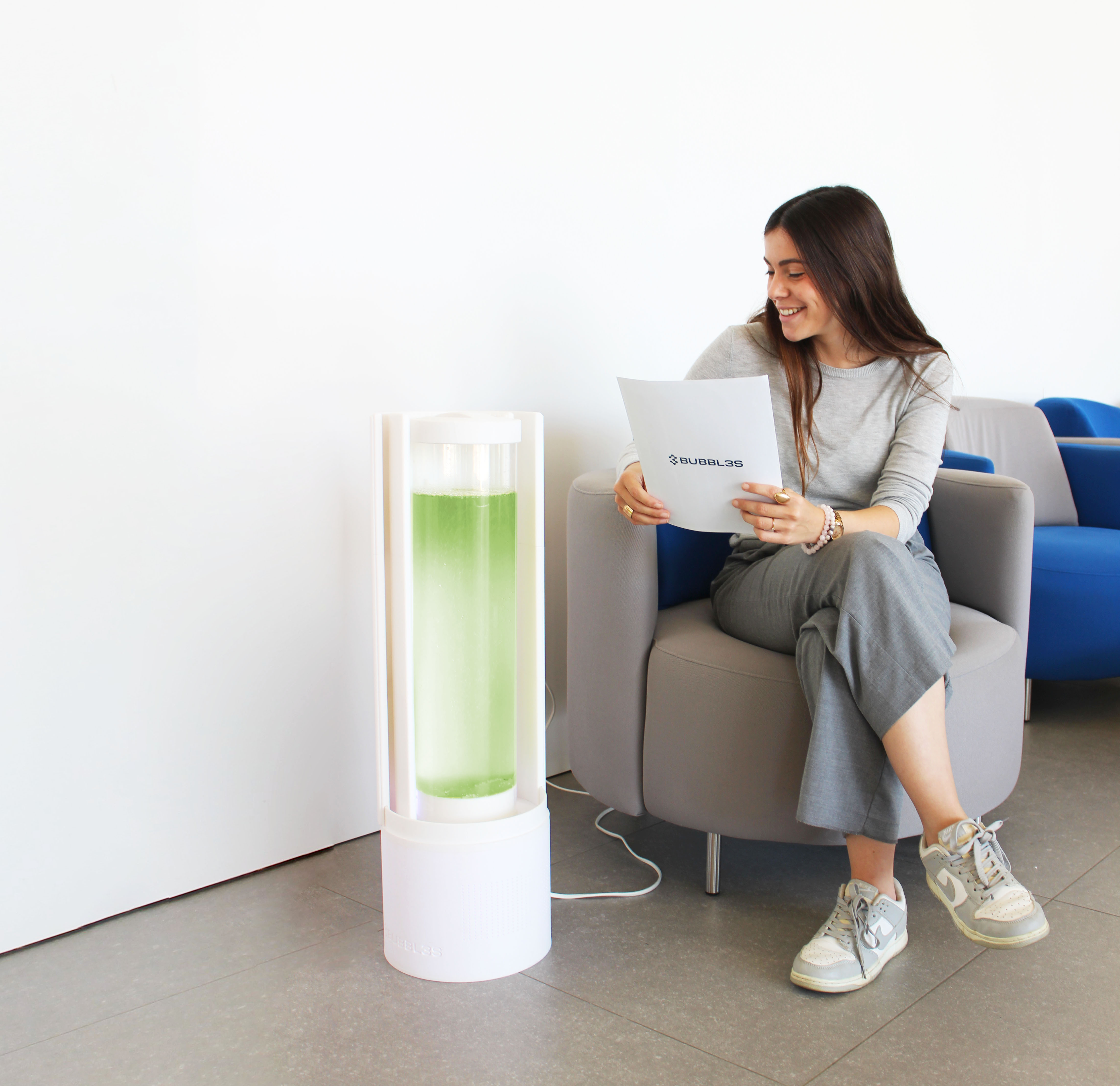
The quality of the air we breathe is a growing concern, especially in the context of increasing urbanization and air pollution. In the summer, this concern intensifies in places like Spain, where the dry climate and lack of rain exacerbate the situation. Added to this is the pollen season, which causes pollen levels and allergies to spike. In this scenario, home air purifiers are presented as a possible solution, but are they really effective?
Air pollution, both indoors and outdoors
Air pollution isn't limited to the streets of our cities. Many harmful particles produced outdoors find their way into our homes, while others are generated indoors. Among the most common pollutants are:
● Particulate matter (PM2.5 and PM10): These are tiny particles that can be inhaled into the lungs and cause respiratory problems. They can come from various sources, such as vehicle exhaust, industrial emissions, and dust from construction sites and roads.
● Nitrogen oxides (NOx): gases emitted by vehicles and industries that irritate the respiratory tract and contribute to smog.
● Sulfur dioxide (SO₂): produced by the burning of fossil fuels, it can cause lung problems and is linked to acid rain.
● Carbon monoxide (CO): a dangerous gas that can be lethal in high concentrations.
● Tropospheric ozone (O3): Although it is essential in the upper atmosphere, at ground level it can cause respiratory irritation and aggravate conditions such as asthma.
● Volatile organic compounds (VOCs): chemicals found in paints, solvents, and cleaning products that can affect the immune system and be carcinogenic.
In addition to this, there are substances found in the air inside homes, such as:
● Dust mites: tiny arachnids that feed on dead skin cells and are a common cause of allergies.
● Pollen: which comes in from outside and particularly affects people with allergies.
● Pet hair and dander: These contribute to dust and can trigger allergic reactions.
● Mold spores: released in damp environments, they affect the respiratory tract.
● Bacteria and viruses: found in dust and responsible for respiratory infections.
● Household chemicals: found in cleaners, aerosols, and personal care products.
The Role of Air Purifiers
Air purifiers are designed to filter out these particles, improving indoor air quality and helping to reduce the harmful effects of pollution and allergens. These devices are available in a variety of sizes and capacities, ranging from portable models for small rooms to whole-home systems.
Scientific evidence: Do they really work?
Several studies have examined the effectiveness of air purifiers in various settings. Some of the most notable findings include:
● In three European cities, air purifiers reduced fine particulate matter (PM2.5) levels in bedrooms by between 45% and 69%.
● In classrooms at public schools in the northeastern United States, a significant reduction in PM2.5 and other particulate matter was observed, improving air quality for students.
● A study conducted in U.S. households showed a 96% reduction in fine particles over the short term (5 minutes) and a 29% to 37% reduction in bacterial endotoxins and airborne particles over the long term.
● In Cyprus and Crete, during dust storms, the use of air purifiers in homes and classrooms protected people with asthma and other respiratory conditions, proving to be an effective measure in extreme situations.
Is it worth investing in an air purifier?
For those who suffer from allergies, asthma, or other respiratory conditions, or for those looking to improve the air quality in their homes, an air purifier can be a valuable investment. Although it does not completely eliminate pollutants, it can significantly reduce their concentration, providing a cleaner and healthier environment. In a world where air pollution seems unstoppable, having a haven of clean air at home is a relief for our health and well-being. In the long run, taking care of the air we breathe not only protects us from illness but also improves our quality of life.