
HEPA Filters: Are They Really the Solution?
In this article, we will explore the advantages and disadvantages of HEPA filters, providing a balanced perspective to help you make an informed decision about whether they are the best option for you.
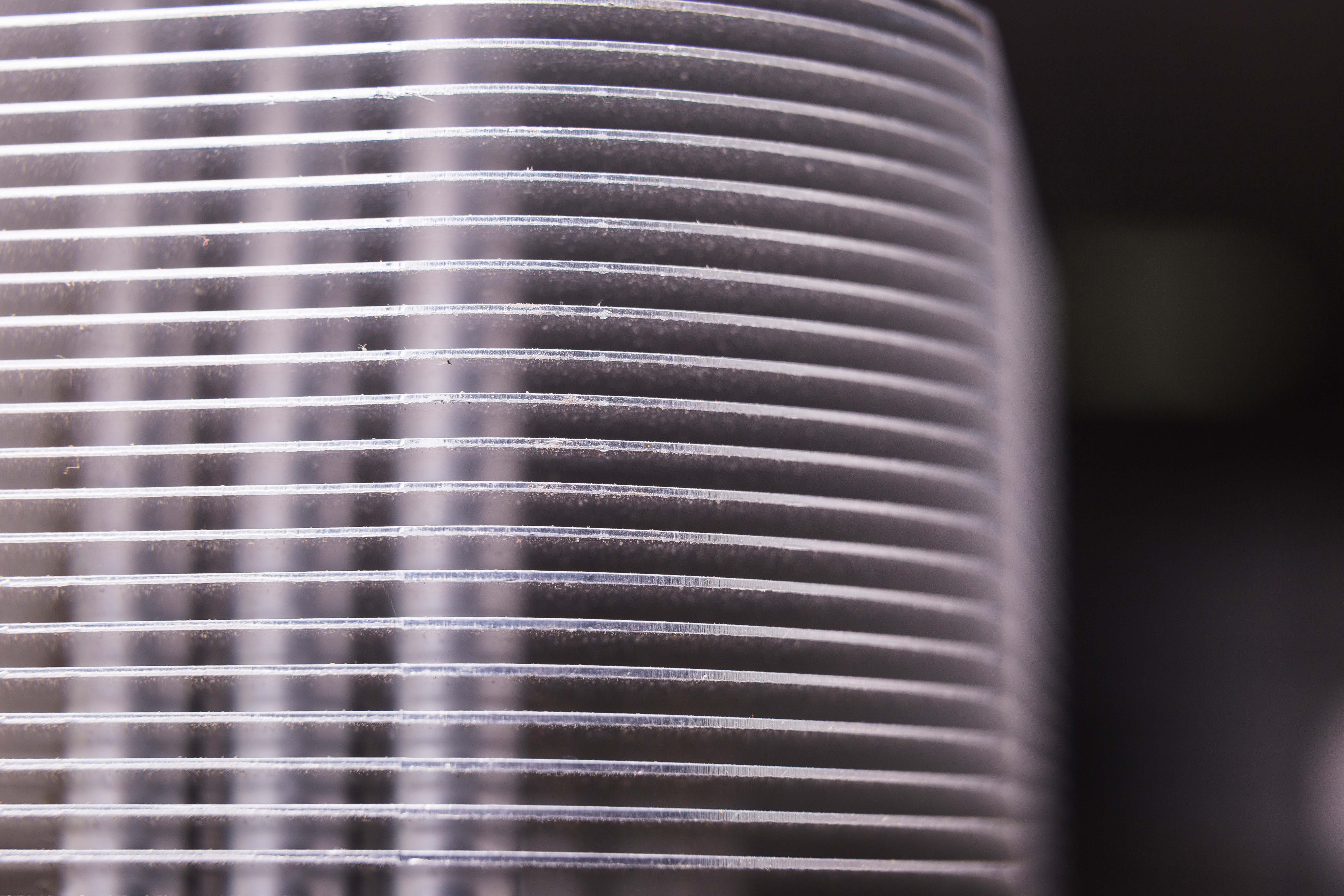
In the quest for cleaner, healthier air in our homes, HEPA filters have gained popularity as a seemingly effective solution for trapping pollutants and improving indoor air quality. However, are they really the solution they claim to be?
Benefits of HEPA Filters: Why Are They So Popular?
Filtration Efficiency: HEPA filters can capture up to 99.97% of airborne particles, including allergens, dust, pollen, mold spores, and other small contaminants.
Improved Air Quality: By removing a wide range of airborne pollutants, HEPA filters can help reduce symptoms of allergies, asthma, and other respiratory problems, providing a healthier environment to breathe in.
Versatility: HEPA filters are available in a variety of devices, including air purifiers, vacuum cleaners, and HVAC systems, making them suitable for a wide range of applications and environments.
Disadvantages of HEPA Filters: Consider These Limitations Before Buying
Cost: HEPA filters tend to be more expensive than other types of filters, which can make the initial purchase and regular replacement costly in the long run.
Maintenance Required: To maintain the effectiveness of HEPA filters, they must be replaced periodically, which can entail additional costs and logistical challenges.
Limitations in Capturing Gases and Odors: Although HEPA filters are effective at capturing solid particles, they are not effective at removing gases and odors, which means they may not completely address all air pollutants.
Negative Environmental Impact: HEPA filters are primarily made of non-biodegradable materials and contain pollutants that are not easily recycled, contributing to the problem of unmanaged waste in the environment.
Consider Alternatives: Options That May Be More Effective, Cost-Effective, and Sustainable
Air Purifiers with Microalgae: Air purifiers that use microalgae offer an innovative and sustainable alternative to HEPA filters. Microalgae absorb CO2 and release oxygen while purifying the air, removing pollutants such as VOCs, formaldehyde, and organic compounds.
Activated Carbon Filters: To remove gases and odors from the air, consider pairing a HEPA filter with an activated carbon filter, which can effectively absorb volatile chemical compounds and unpleasant odors.
Regular HVAC Maintenance: In addition to using an air purifier, be sure to maintain your HVAC system regularly and change the filters as needed to improve the air quality in your home.
Conclusion: Make an Informed Decision for Your Well-Being and That of the Planet
While HEPA filters offer significant advantages in terms of filtration efficiency and improved air quality, they also have limitations and important considerations to keep in mind, including their negative environmental impact due to the difficulty of recycling them. Before investing in a HEPA filter, assess your individual needs, budget, and preferences, and consider alternatives that may offer similar benefits in a more effective, economical, and sustainable way, without compromising the health of the planet.