
The Superpower of Clean Air: 5 Strategies to Improve the Quality of Life for Your Asthmatic Child
In this article, we share practical and sustainable strategies to reduce childhood asthma triggers and improve the air quality your child breathes.
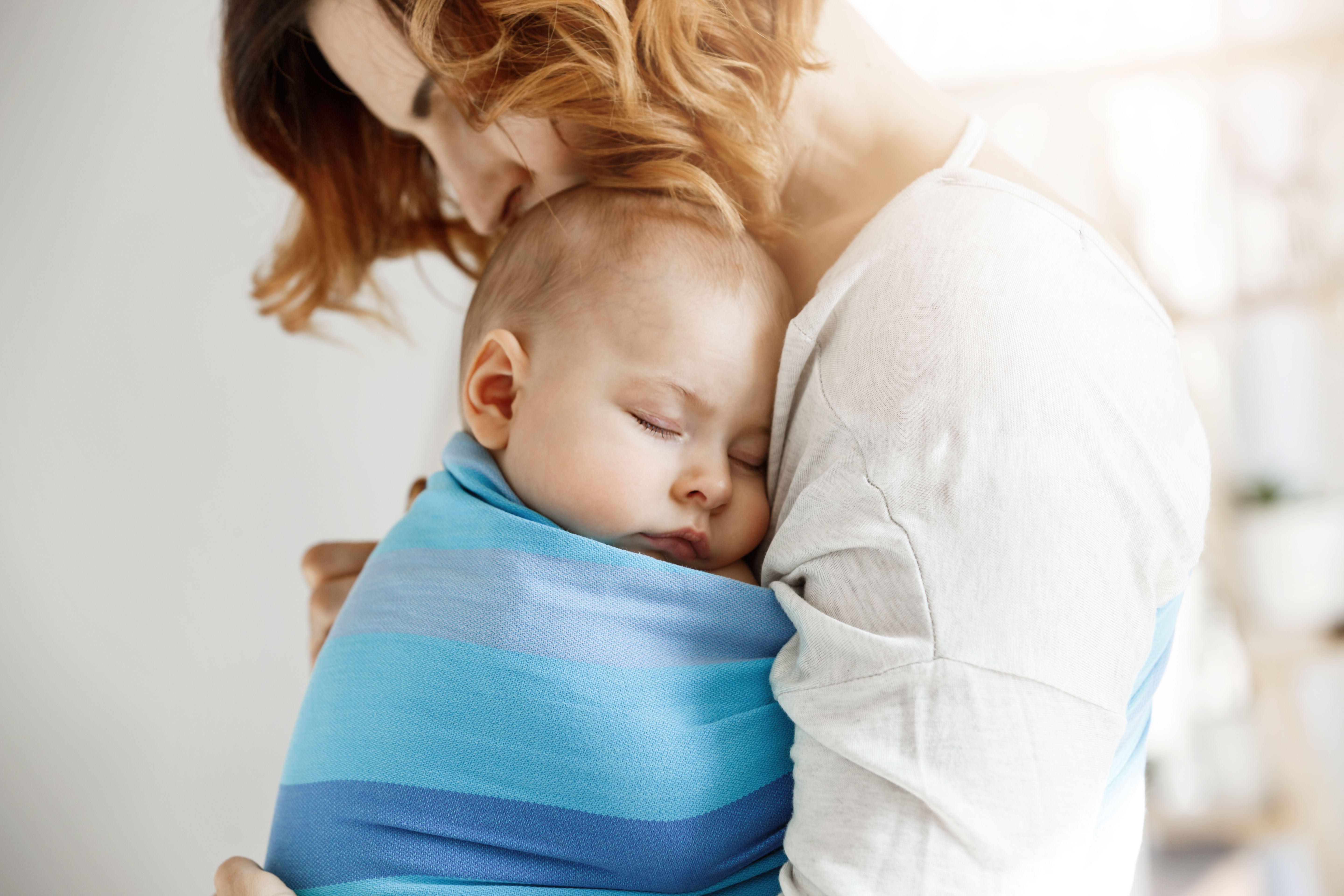
For parents of a child with asthma, the air their child breathes is an invisible but constant concern.
Asthma attacks are often triggered by tiny culprits—pollen, dust mites, mold, or pet dander—that accumulate in indoor environments.
The good news is that managing that environment isn’t a passive defense, but an active and powerful step.
Improving indoor air quality can reduce triggers, alleviate symptoms, and enhance your child’s overall well-being.
Below, we present five key strategies backed by science and sustainable innovation.
1. Identify and eliminate internal triggers
The first step is to act like an environmental detective. You can't control what you don't know.
- Dust mites: Use dust-mite-proof covers and wash your bedding weekly in hot water (over 54 °C).
- Pet dander: Keep pets out of the bedroom and vacuum frequently using a HEPA filter.
- Mold and moisture: Fix leaks and use dehumidifiers to keep humidity below 50%.
- Smoke and chemicals (VOCs): Avoid smoking indoors and use cleaning products that are fragrance-free and do not contain harsh solvents.
2. Embrace the new generation of air purification
Cleaning surfaces helps, but purifying the air is the most effective way to remove the particles that trigger asthma.
Technology has evolved beyond traditional HEPA filters.
The microalgae-based Bubbl3s system represents a new era of sustainable filtration.
Unlike fiber or paper filters, microalgae capture particles and can reduce air pollutants, offering active and eco-friendly purification.
With Bubbl3s, you’re giving your child a cleaner, healthier, and more sustainable environment.
3. Master ventilation without compromising health
Ventilation is key, but it must be done wisely:
Choose the right time: open the windows when pollution levels are low (around noon or after it rains).
Purify while you ventilate: leave the Bubbl3s purifier on to capture whatever comes in from outside.
Use exhaust fans: in the kitchen and bathroom, they remove moisture and smoke, two major threats to your respiratory system.
4. Cleans without harsh chemicals
Conventional cleaning products can release volatile organic compounds (VOCs) that irritate the lungs.
- Choose natural cleaners: vinegar, mild soap, or hydrogen peroxide.
- Avoid air fresheners, fabric softeners, and scented detergents.
- Use a damp cloth to wipe away dust, trapping the particles instead of spreading them around.
5. Keep an eye on your child and stay in touch with your pediatrician
Prevention doesn't stop at home.
Work with your child's pediatrician or pulmonologist to ensure active monitoring:
- Use a peak flow meter if your doctor recommends it.
- Update the asthma action plan regularly and share it with caregivers and teachers.
- Take advantage of technology: sustainable air purifiers like Bubbl3s serve as an ideal complement to medical treatment, creating a “bubble” of clean air that enhances your well-being.
Conclusion:
Clean air is not a luxury, but a vital necessity.
Adopting sustainable habits and innovative technology like Bubbl3s can make a real difference in respiratory health and quality of life for families living with childhood asthma.
Important notice: This article provides general advice on environmental control and does not replace professional medical care.
Always consult your child’s pediatrician or asthma specialist for a personalized diagnosis and treatment plan.